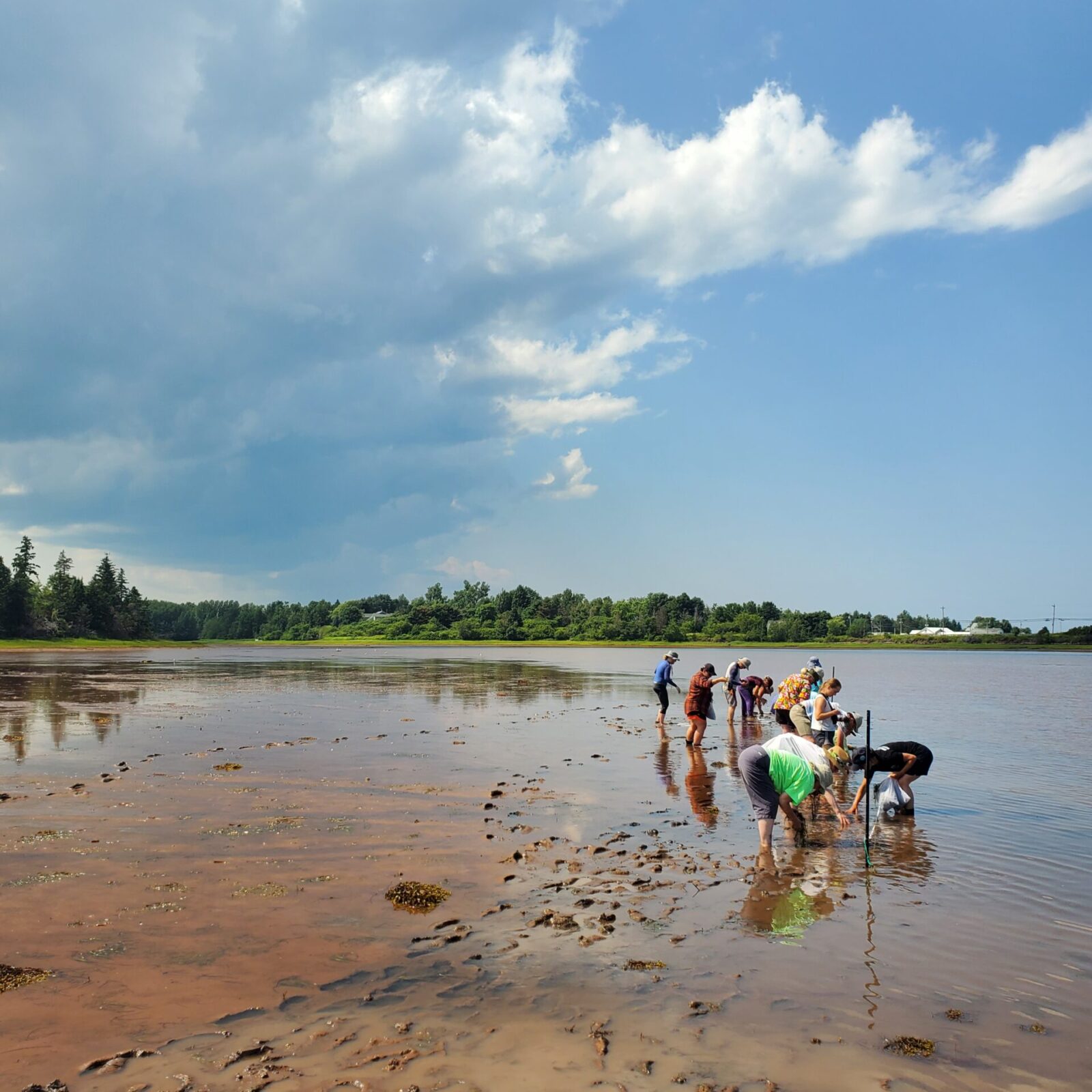
Pugwash Open Air Gallery Sculpture Installation
The Community Eelgrass Restoration Initiative has been working with Zuppa Theatre and the Pugwash Open Air Gallery on a public art installation piece. This “exhibit” will be unveiled in summer of 2026 and will represent the eelgrass replanting that occured in 2024 with the Friends of Pugwash Estuary. These sculptures are meant to serve as a reminder to never forget these unseen ecosystems, and to always remember the power of a rallied and dedicated community.
Thank you to sculpture artist Jason Boiduk and collaborators Norene Smiley, Louise Cloutier, Jennifer Houghtaling, Sarah Witney, and Janice Boiduk for all of your hard work on this art piece and unveiling. Thank you to Ben Stone and Stewart Legere from Zuppa for your unending support and guidance. And last, but certainly not least, thank you to Betty Hodgson and Maureen Woodcock from Friends of Pugwash Estuary for organizing the 2024 replanting and introducing our team to the wonderful community of Pugwash.
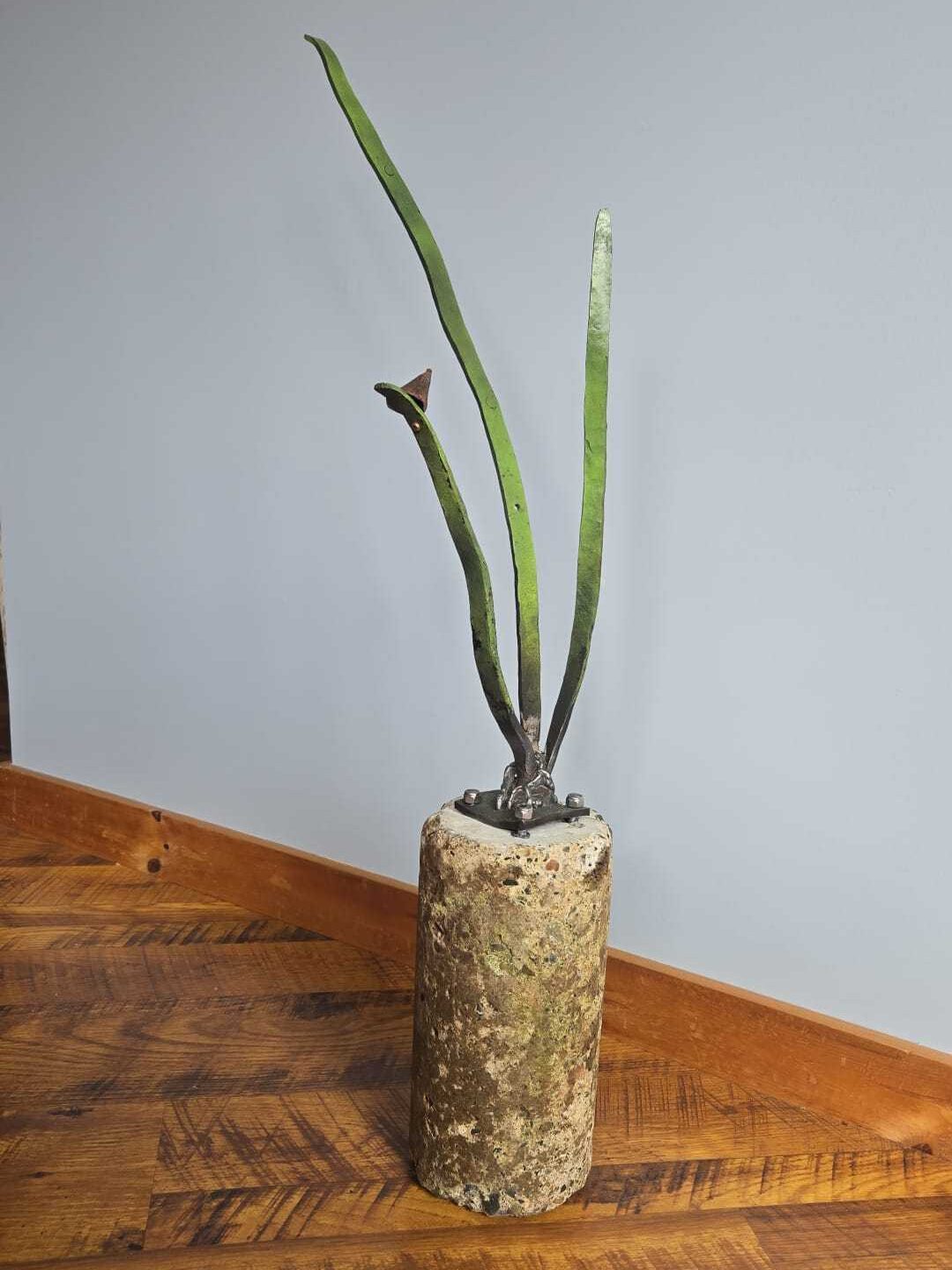
Benefits and Decline of Eelgrass in Pugwash, NS
Eelgrass/Qata’skwl, Zostera marina, is one of 72 species of marine flowering plant known as seagrasses. Not to be confused with seaweed, eelgrass produces pollen, has a flowering body, and requires sun to photosynthesize. Eelgrass is a true plant and is crucial for the longevity of our coastal ecosystems!
Pugwash is surrounded by coastal ecosystems, many of which include lush eelgrass meadows. These meadows provide a variety of ecosystem and climate benefits. Eelgrass is home to culturally and economically significant species (like lobster, eel, and rock crab), slows wave action which prevents erosion, improves water quality, and stores atmospheric carbon! Some of these species, specifically jakej (lobster) and katew (eel) are culturally significant to the Mi’kmaw and have been a food source since time immemorial.
Unfortunately, eelgrass has been experiencing decline around the globe, losing approximately 110 km2 per year. In Nova Scotia, this decline is due to nutrient pollution and coastal development along our coasts, invasive species, destructive fishing and aquaculture development, warming waters, and the spread of diseases.
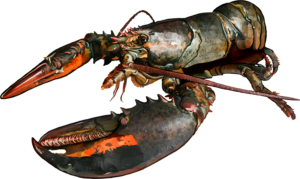
Jakej (ja – gech)
Lobster
Artwork by Gerald Gloade
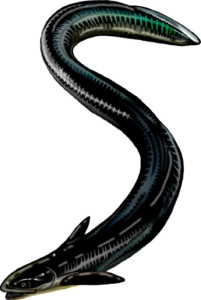
Katew (gah – dow)
American Eel
Artwork by Gerald Gloade
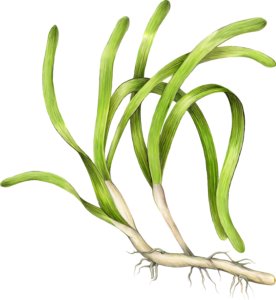
Qata’skwl (gata – skull)
Common Eelgrass
Please note there are multiple different ways to spell “Qata’skwl”, all with their own regional pronunciation
Artwork by Gerald Gloade
Replanting with Friends of Pugwash Estuary
In order to combat these negative impacts in Nova Scotia, The Community Eelgrass Restoration Initiative (CERI) is researching and restoring eelgrass meadows across Nova Scotia. They do so by working with local communities to source out where eelgrass has disappeared and to find suitable replanting sites.
In August 2024, a group of researchers from the CERI joined forces with the Friends of Pugwash Estuary (FOPE) to replant eelgrass off Victoria Island. With the help of some incredible volunteers, 1750 eelgrass shoots were replanted!
Their long-term goal is for this replanting site to fully establish and create a new and vibrant ecosystem.
This installation, “Eelgrass Meadow” by artist Jason Boiduk, is a collaboration between Zuppa Works, Pugwash Open Air Gallery, and the Community Eelgrass Restoration Initiative. These sculptures are a reminder of the hidden ecosystems that exist right off our shores.